
Creating a Safe & Supportive Home Environment for Toddlers with Autism
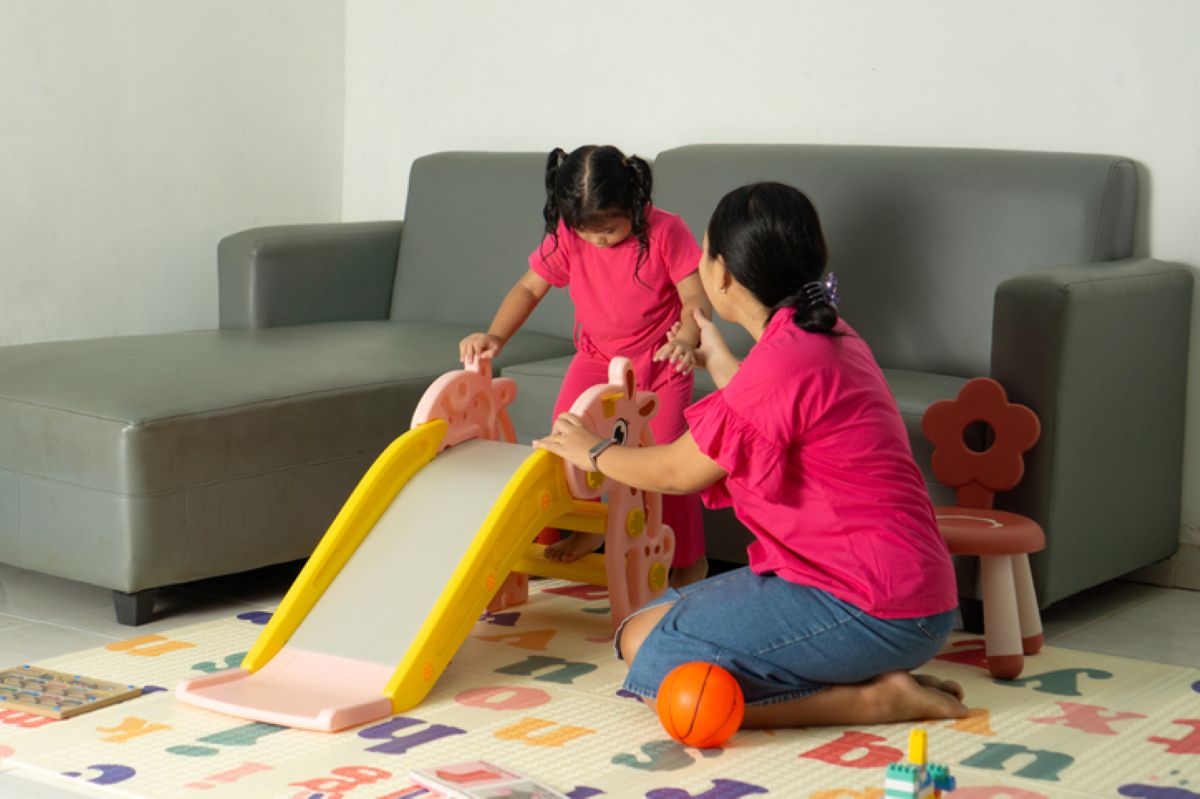
Creating a Safe & Supportive Home Environment for Toddlers With Autism
A calm, thoughtful home can make a big difference for young children. An autism-friendly home helps toddlers feel more secure, understand what to expect, and move through the day with less stress. For families raising a child with autism, home is more than where daily life happens. It is also where learning, comfort, connection, and growth take place.
Toddlers are still learning how to communicate needs, manage emotions, and handle new experiences. When autism is part of that journey, some everyday parts of home life may feel harder than expected. Bright lights, sudden sounds, clutter, or unpredictable routines can lead to frustration. Small changes to the environment can often help in meaningful ways.
The goal is not to create a perfect house. It is to create a space where your child can feel safe, supported, and ready to learn.
Why Home Environment Matters for Autistic Toddlers
Young children spend a large part of their time at home. That means the home environment can either lower stress or add to it. A supportive setup can help with transitions, play, communication, sleep, and behavior.
When a child feels comfortable in their surroundings, they may have an easier time trying new skills. They may also recover faster after difficult moments. Parents often notice that when the environment works better, the whole family feels more settled.
That is why many families use simple autism home strategies as part of everyday life. These changes do not need to be expensive or complicated. Often, consistency matters more than anything else.
Understanding Sensory Sensitivities at Home
Many autistic toddlers experience the world in a heightened or different way. Sounds may seem louder. Certain fabrics may feel uncomfortable. Busy rooms may feel overwhelming. Other children may seek extra movement, pressure, or sensory input.
Sensory needs vary from child to child. One toddler may cover their ears when the blender turns on. Another may love spinning, jumping, or crashing into pillows. There is no one-size-fits-all pattern.
Start by observing what seems to help and what seems to trigger stress. You might notice patterns during meals, bath time, bedtime, or family gatherings. Once you know what affects your child, you can make more helpful choices at home.
Creating a sensory-safe home often begins with reducing avoidable stressors while offering safe ways for your child to meet sensory needs.
Creating Predictable Routines & Structure
Toddlers thrive on repetition, and many autistic children especially benefit from knowing what comes next. Predictable routines can reduce anxiety and help transitions go more smoothly. Your routine does not need to be rigid. It just needs to be clear and consistent enough that your child can learn the rhythm of the day. Helpful routines often include:
- Morning steps such as getting dressed, brushing teeth, and breakfast
- Regular meal and snack times
- A steady nap or quiet rest period
- Play time indoors or outside
- Bedtime steps in the same order each night
- Warnings before transitions, such as “five more minutes”
If plans change, simple preparation can help. Let your child know what is different and what will stay the same. Even small reminders can make change easier to handle.
Designing a Sensory-Friendly Living Space
You do not need to redesign your entire house. Start with one or two areas where your child spends the most time. Think about what your toddler sees, hears, and feels in those spaces. A room that feels busy to an adult may feel overwhelming to a child who processes sensory input differently. You might try:
- Soft lighting instead of harsh overhead lights
- Storage bins to reduce visual clutter
- A quiet corner with pillows or soft seating
- Noise-reducing headphones for loud moments
- Favorite textures like soft blankets or sensory toys
- Clear play zones for books, movement, and quiet activities
Rotating toys can also help. Too many choices at once can make play harder. Fewer visible options may support focus and calmer engagement. A sensory-friendly space should feel welcoming, not restrictive. It is about making the room easier to use and enjoy.
Safety Considerations for Autistic Toddlers
All toddlers need supervision, but some autistic children may have added safety needs. They may climb, run unexpectedly, mouth non-food items, or wander toward doors.
Creating a safe home for autistic children means looking at your space through your child’s eyes. What can they reach? What attracts them? Where might they go quickly? Consider these common safety steps:
- Door alarms, high locks, or childproof handles
- Gates near stairs or unsafe areas
- Furniture anchored to walls
- Locked storage for medication and cleaning products
- Outlet covers and cord management
- Supervision near water, including tubs and pools
Safety planning is not about assuming the worst. It is about preparing your environment so your child can explore with fewer risks.
Visual Supports & Communication Tools at Home
Many toddlers understand visuals more easily than spoken directions alone. Pictures, labels, and simple cues can make daily tasks clearer. Visual supports can reduce frustration because they help children know what is expected. They also give parents another way to communicate during busy moments. Useful tools at home may include:
- Picture schedules for morning or bedtime routines
- A first/then board such as “first pajamas, then story”
- Labels on toy bins with words or pictures
- Choice boards for snacks, toys, or activities
- Simple gestures or signs paired with spoken words
These tools do not replace speech. They support communication while language skills continue to grow. Strong toddler autism support often includes meeting children where they are and giving them clear ways to understand and express needs.
Supporting Emotional Regulation at Home
Toddlers are still learning how to handle big feelings. That learning can take more time when communication is hard or sensory stress builds up quickly. Emotional regulation starts with co-regulation. In simple terms, your calm presence helps your child return to calm. During difficult moments, it may help to:
- Lower noise and reduce extra talking
- Use short, clear phrases
- Offer comfort items or a quiet space
- Model slow breathing or gentle movement
- Stay nearby and steady
After your child is calm, you can begin teaching skills like asking for help, taking a break, or using words and pictures to express feelings. Progress often happens little by little. One easier transition or one shorter meltdown still counts.
Encouraging Independence Through Environment Setup
A well-designed space can help toddlers do more on their own. Independence builds confidence and reduces frustration for both children and parents. Look for small tasks your child can practice each day. Then adjust the environment so success is easier. Examples include:
- Hooks at child height for jackets or bags
- Easy-open bins for toys
- A step stool at the sink
- Two simple clothing choices instead of many options
- Snack items placed where they can be requested or accessed safely
- A laundry basket for helping with cleanup
These changes send an important message: “You can do this.” Independence does not happen all at once. It grows through repeated chances to participate in daily life.
Support for Your Family Starts at Home
You do not have to solve everything in one weekend. Choose one challenge, make one change, and notice what helps. Over time, those small adjustments can create a home that feels calmer and more supportive for everyone.
If you are looking for guidance, InBloom Autism Services is here to help families navigate early development, behavior, communication, and daily routines with compassionate care. Reach out to learn how personalized autism services and early intervention support can help your child thrive at home and beyond.