How ABA Therapy Teaches Daily Living Skills
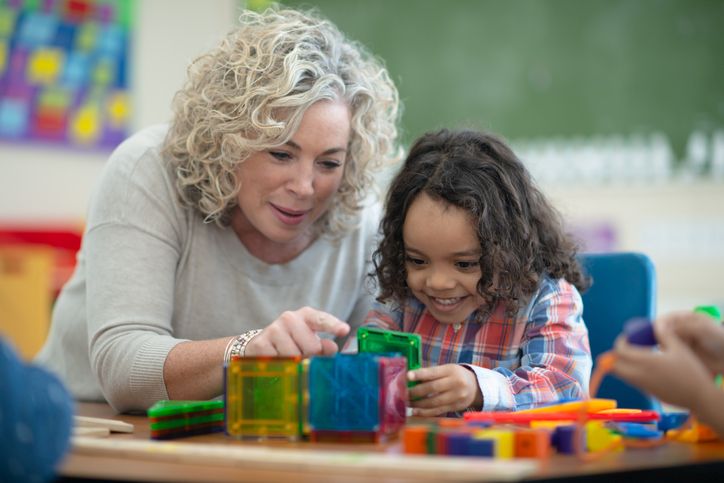
Teaching a child how to brush their teeth, get dressed, or ask for help might seem simple, but for children with autism, these tasks can require intentional support and practice. Applied Behavior Analysis (ABA) therapy provides structured, evidence-based strategies that help children build the daily living skills they need to thrive both now and in the future. At InBloom Autism Services, we specialize in early intervention ABA therapy for children between 18 months and 5 years old. Our play-based approach makes learning feel natural and fun while building the foundation for toddler independence and lifelong success.
What Are Daily Living Skills?
Daily living skills, also known as adaptive skills or activities of daily living (ADLs), are the essential tasks we perform every day to take care of ourselves and function independently. These include personal hygiene routines like brushing teeth and washing hands, self-care tasks such as getting dressed and using the bathroom, and basic household participation like cleaning up toys or helping set the table.
For children with autism, learning these skills can be more challenging due to differences in communication, sensory processing, and motor planning. That’s where ABA therapy steps in. By breaking down complex tasks into smaller, manageable steps and using positive reinforcement, therapists help children master the building blocks of independence.
Developing strong daily living skills early creates a ripple effect. Children gain confidence, reduce frustration, and build the foundation for success in school, at home, and in their communities.
Why ABA Therapy Is Effective for Teaching Daily Living Skills
ABA therapy is rooted in behavioral science and uses evidence-based techniques to teach new skills while reducing challenging behaviors. The approach is highly individualized, meaning each child’s program is tailored to their unique strengths, needs, and goals.
One of the reasons ABA is so effective for teaching autism life skills is its focus on breaking tasks into small, teachable steps. This process, called task analysis, helps children learn one piece at a time until they can complete the entire routine independently.
Therapists at InBloom Autism Services use positive reinforcement to celebrate each success, no matter how small. This encourages children to keep trying, builds motivation, and creates a supportive learning environment where progress happens naturally.
Research supports the effectiveness of ABA in teaching adaptive skills. According to a large health-system study, 58% of children in ABA therapy achieved meaningful gains by 12 months, with the greatest progress seen in children who began therapy early and received consistent support.
ABA Techniques Used to Teach Daily Living Skills
ABA therapy utilizes a variety of proven techniques to help children develop adaptive skills in ways that feel engaging and achievable. These methods are carefully selected based on each child’s learning style and developmental needs.
Task Analysis and Chaining
Task analysis involves breaking a complex skill, like brushing teeth, into smaller, sequential steps. For example, the process might include picking up the toothbrush, applying toothpaste, brushing the front teeth, brushing the back teeth, rinsing, and putting the toothbrush away.
Therapists then use chaining to teach these steps in order. Forward chaining starts with the first step and builds forward, while backward chaining begins with the last step, so the child experiences immediate success and completion.
Prompting and Fading
Prompting provides the support a child needs to complete a task successfully. Prompts can be physical (hand-over-hand guidance), verbal (simple instructions), or visual (picture cues).
As the child becomes more confident and capable, therapists gradually fade the prompts, encouraging greater independence. This process ensures children learn to perform tasks on their own without relying on constant assistance.
Positive Reinforcement
Positive reinforcement is one of the core principles of ABA therapy. When a child successfully completes a step or demonstrates progress, they receive immediate praise, a preferred activity, or another form of positive feedback.
This approach motivates children to repeat helpful behaviors and builds a sense of accomplishment that fuels continued learning.
Natural Environment Teaching (NET)
Natural Environment Teaching embeds learning into everyday routines and play. Instead of practicing skills in isolation, therapists create opportunities for children to learn within real-life contexts, such as during snack time, playtime, or daily transitions.
This technique helps children generalize skills across different settings, making it easier to apply what they’ve learned at the therapy center to their home and community.
Daily Living Skills Commonly Targeted in ABA
ABA therapy addresses a wide range of daily living skills that promote toddler independence and prepare children for future success. Here are some of the most commonly targeted areas:
Personal Hygiene
Personal hygiene routines are essential for health, comfort, and social participation. ABA therapy helps children learn skills such as:
- Handwashing with soap and water
- Brushing teeth effectively
- Wiping their nose with a tissue
- Covering their mouth when coughing or sneezing
Dressing and Grooming
Learning to get dressed is a major milestone in a child’s development. Therapists work on skills like:
- Putting on and taking off clothing
- Fastening buttons, zippers, and snaps
- Choosing weather-appropriate clothing
- Combing or brushing hair
- Putting on shoes and tying laces
Toileting
Toilet training is one of the most requested goals among families. ABA therapy uses structured routines, visual supports, and positive reinforcement to teach children how to:
- Recognize the need to use the bathroom
- Navigate the toileting process independently
- Wash hands after using the bathroom
- Communicate bathroom needs effectively
Mealtime Skills
Mealtime is a natural opportunity to build independence and social participation. ABA therapy targets skills such as:
- Using utensils appropriately
- Drinking from a cup without spilling
- Sitting at the table during meals
- Requesting preferred foods or drinks
- Cleaning up after eating
Household Participation
Participating in simple household tasks fosters a sense of responsibility and teamwork. Children learn to:
- Pick up toys and put them away
- Throw away trash in the appropriate bin
- Help set the table or clear dishes
- Follow simple multi-step directions during routines
How ABA Builds Toddler Independence
Independence doesn’t happen overnight. It develops gradually through consistent practice, encouragement, and support. ABA therapy accelerates this process by teaching children the skills they need to take care of themselves and participate meaningfully in daily life.
Through structured routines and repetition, children learn to perform tasks with less help over time. They gain confidence in their abilities, which motivates them to try new things and tackle more complex challenges.
The skills children develop in ABA therapy extend far beyond the therapy center. When a child learns to wash their hands at InBloom, they can apply that same skill at home, at school, and in the community. This generalization is a key component of building lasting independence.
Parents and caregivers play a vital role in reinforcing these skills outside of therapy. Through caregiver training and coaching sessions with a Board Certified Behavior Analyst (BCBA), families learn the same techniques used in therapy so they can support their child’s progress at home.
How InBloom Autism Services Supports ADL Development
At InBloom Autism Services, we believe every child deserves the opportunity to reach their full potential. That’s why we take a comprehensive, family-centered approach to teaching daily living skills through ABA therapy.
Each child receives an individualized treatment plan based on their unique strengths, challenges, and family goals. Our BCBAs work closely with families to identify which skills will have the greatest impact on the child’s day-to-day life and long-term success.
Our therapy sessions take place in bright, engaging learning centers designed to spark curiosity and promote development. These sensory-friendly environments provide the perfect setting for children to practice new skills in a safe and supportive space.
We also prioritize collaboration with families. Through regular caregiver training sessions, parents and guardians learn how to support their child’s progress at home, creating consistency across all environments where learning happens.
From your first call to your child’s first day in therapy, our Care Team walks you through every step of the process. We handle insurance verification, coordinate assessments, and connect you with a local team that genuinely cares about your child’s success.
Building Skills That Last a Lifetime
Daily living skills are more than just routines. They are the foundation for independence, confidence, and meaningful participation in everyday life. Through ABA therapy, children with autism can learn these essential skills in a way that feels natural, achievable, and fun. At InBloom Autism Services, we’re committed to helping children between 18 months and 5 years old build the skills they need to thrive. If you’re ready to take the next step in your child’s journey, we’re here to support you. Contact us today to learn more about how ABA therapy can help your child develop daily living skills and grow in independence.
InBloom Autism Services specializes in early intervention ABA Therapy. Our certified therapists undergo training to implement teaching programs specifically designed for children aged 5 and under with autism. Our Learning Centers also offer a safe and enjoyable environment for children to interact and practice social skills with their peers. Find a Learning Center near you!